

What DME is not covered by Medicare?
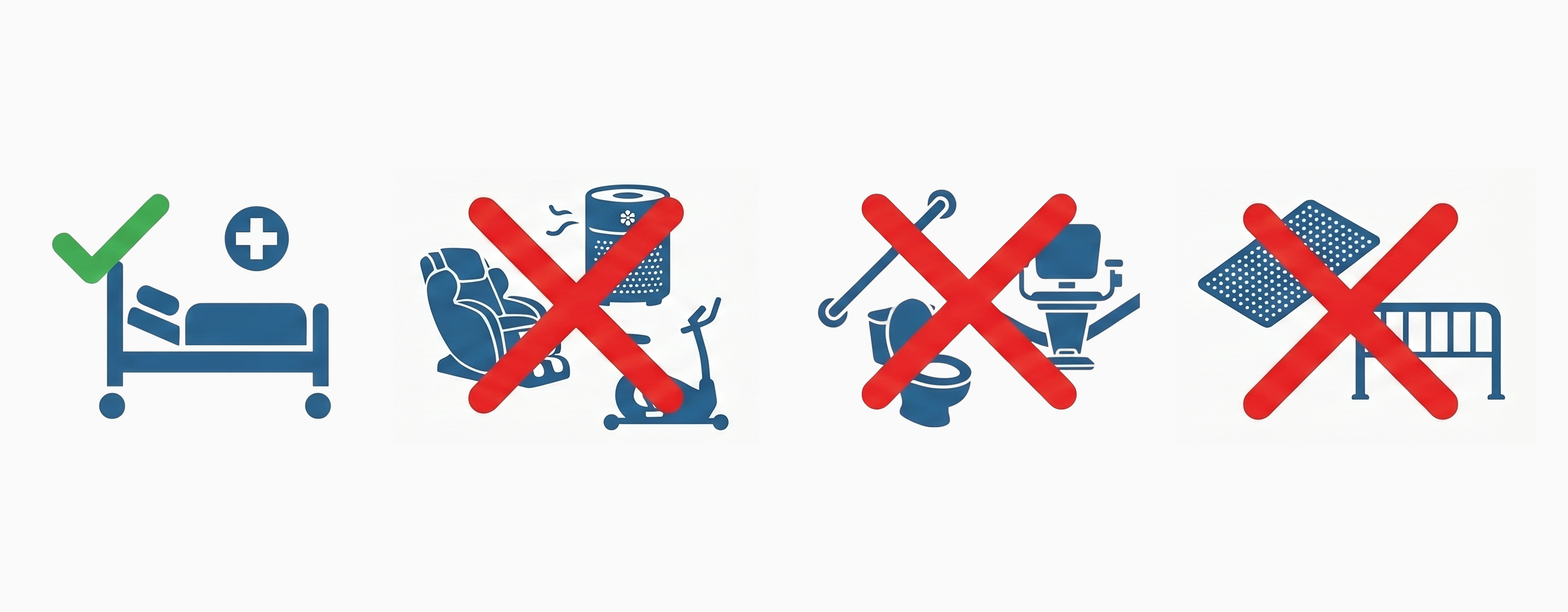
Exclusions and Non-Reimbursable Equipment Explained
Medicare covers a lot of DME, but not everything, and the line between what qualifies and what doesn't isn't always obvious. When a provider delivers equipment assuming coverage, only to receive a denial weeks later, the damage is already done. The equipment is in the patient's home, the documentation was submitted, and now there's a dispute over who pays. These situations are frustrating, time-consuming, and completely avoidable. Knowing what DME is not covered by Medicare, and why, is one of the most practical steps a DME provider can take to protect their revenue cycle.
Why Medicare Denies Certain DME Claims
Medicare has a specific, well-defined set of criteria that equipment must meet before it qualifies for coverage. It's not enough for equipment to be useful to a patient. The DME has to be medically necessary, prescribed by a physician, and appropriate for home use, and the documentation has to prove all of that clearly.
Most denials come down to the same handful of issues: Incomplete documentation, equipment that falls outside Medicare's coverage criteria, incorrect HCPCS codes or misclassified items. The pattern is predictable and preventable.
Knowing the common exclusions is the first step toward cleaner claims. The sections below determine what Medicare Part B does not cover across the equipment types that generate the most confusion.
What Counts as DME
Before getting into exclusions, it helps to understand what Medicare actually covers. Durable Medical Equipment (DME) refers to medically necessary devices prescribed for long-term home use. To qualify, equipment must meet four criteria: it must be durable, serve a medical purpose, be used in the home, and be expected to last at least three years.
Wheelchairs, CPAP machines, hospital beds, and oxygen concentrators are all examples of DME that Medicare won't reimburse without the right documentation.
Common DME Items Medicare Does NOT Cover
The DME items not covered by Medicare tend to cluster into three categories: comfort and lifestyle products, equipment classified as non-essential, and safety or prevention devices. Each has its own nuances, and each generates its share of denied claims.
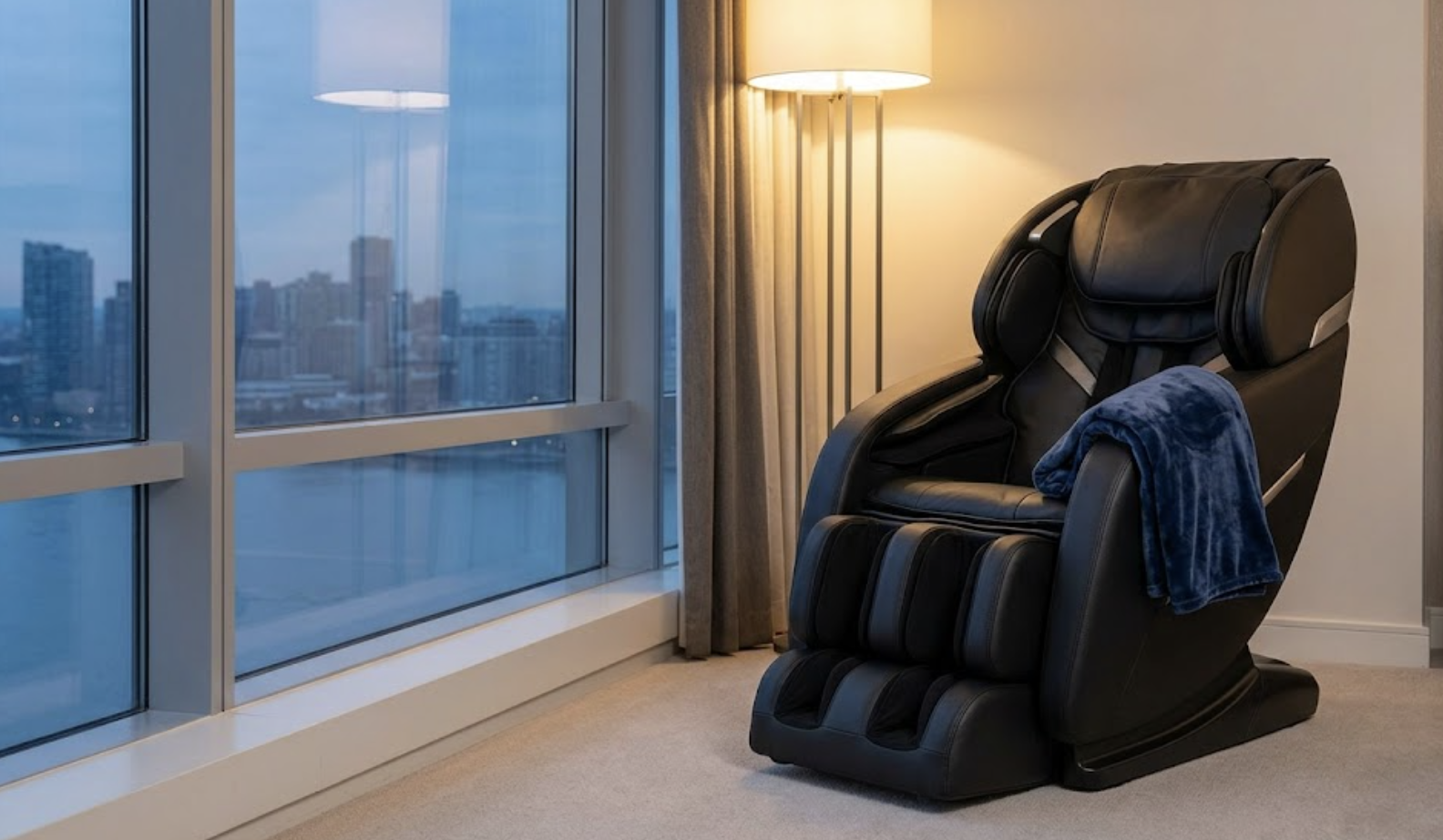
Comfort and Lifestyle Items Medicare Doesn't Cover
Patients often assume their doctor's recommendation is enough to trigger coverage, but Medicare draws a clear line. If an item is primarily for comfort or convenience, it's unlikely to qualify. The equipment has to treat a specific diagnosis, not just improve general quality of life.
Equipment classified as comfort or convenience might include:
- Massage chairs and recliners
- Air purifiers and humidifiers (in most cases)
- Electric blankets and heating pads
- Exercise equipment, even when recommended for general fitness
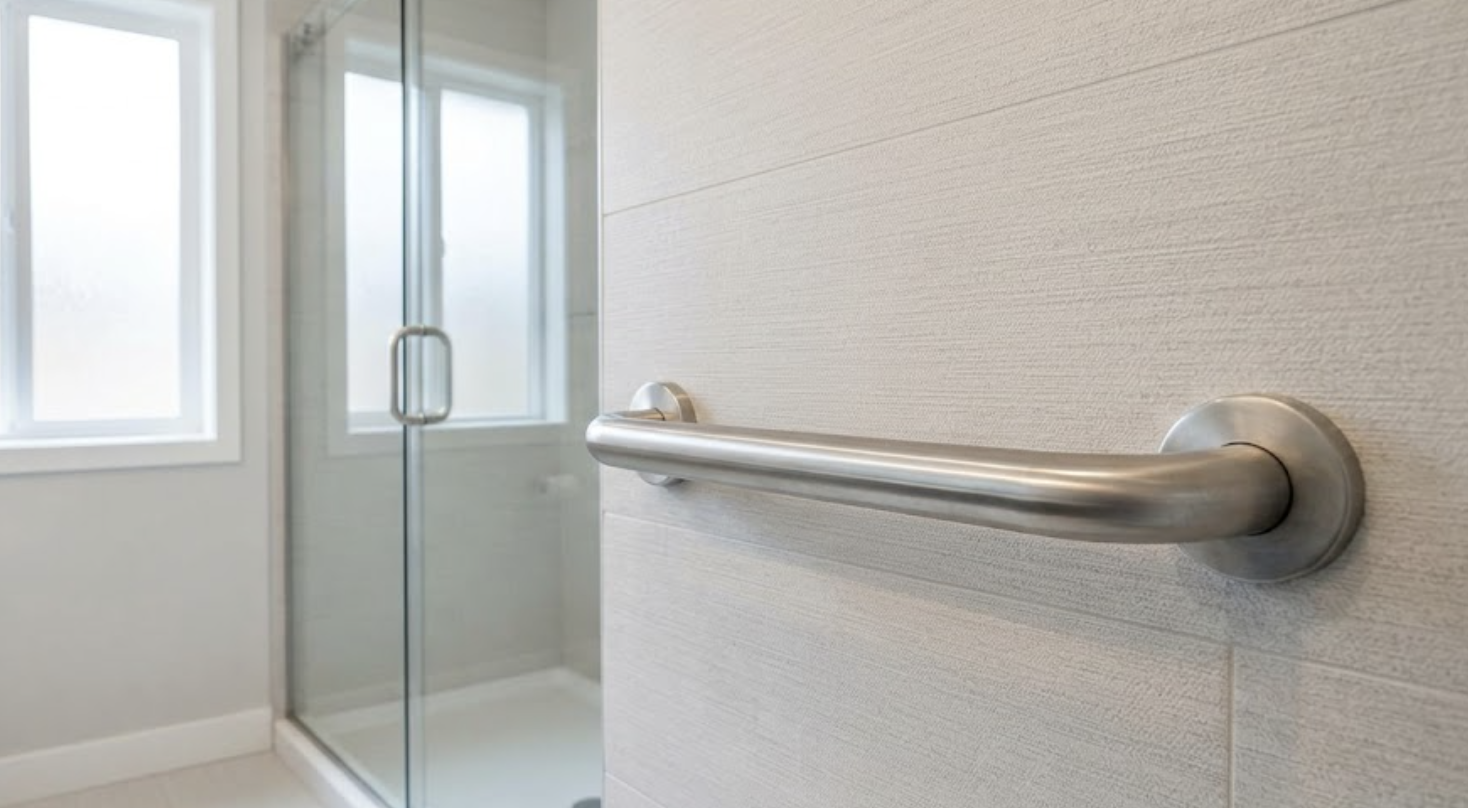
Medical Equipment Medicare Classifies as Non-Essential
Some items sit in a gray area. They very well could have clinical uses, but Medicare doesn't classify them as medically necessary. They may fall outside Medicare's approved categories or be considered elective. Either way, they won't be covered under Medicare Part B. Knowing which is which before the equipment leaves the warehouse makes a significant difference in claim outcomes.
Common examples include:
- Elevating toilet seats and grab bars (often classified as safety equipment, not DME)
- Bath benches and shower chairs (may qualify in limited circumstances, but frequently denied)
- Stair lifts and home elevators
- Non-prescribed orthotics and shoe inserts
- Ergonomic furniture, even when recommended for a back condition

Excluded Safety and Prevention Equipment
Preventive equipment is another category where providers run into trouble. Medicare is a treatment-focused program, not prevention-focused. Equipment designed to reduce the risk of injury or illness, rather than treat an existing condition, typically doesn't qualify.
Examples include:
- Fall prevention devices without a documented diagnosis requiring them
- Bed rails requested solely for safety, not for a specific medical need
- Non-slip mats and bathroom safety modifications
- Air quality devices prescribed for general respiratory wellness
Even when a physician recommends these items, Medicare will deny the claim without a direct link to a specific diagnosis and documented functional limitation.
How AI and Automation Help DME Providers Reduce Coverage Confusion
Coverage rules are complex. They vary by payer, change regularly, and leave plenty of room for misinterpretation. That's where technology makes a real difference.
AI-powered DME automation helps providers catch coverage issues before a claim is ever submitted and catching problems early makes all the difference. At the intake stage, providers can still act on non-covered items, incomplete documentation, or missing authorization.
Intake Manager automates the front end of the process, capturing inbound documents from fax, email, or portal uploads. It then extracts and validates patient data automatically, and orders appear complete in your system.
Notable Systems' Claims Manager evaluates orders against specific payer reimbursement criteria before submission. If something doesn't meet the criteria, providers know immediately. No surprises, no rework, no denials that could have been avoided.
The result is a cleaner revenue cycle, faster reimbursements, and fewer write-offs.
How DME Providers Help Patients Navigate Non-Covered Items
When equipment isn't covered, the conversation doesn't have to end there. DME providers play an important role in helping patients understand their options.
Explain Coverage Before Delivery
Before delivery, patients deserve clear answers. What does insurance cover? What will they owe? Why isn't this item covered? Guiding patients through the complexities of insurance coverage is both appreciated and valued.
Offer Rental vs. Purchase Options
Some equipment that isn't covered outright may still be available as a rental. Providers can walk patients through the rental options, how long the rental period lasts, and whether ownership transfers over time.
Suggest Covered Alternatives
Sometimes a covered alternative exists that meets the same clinical need. Providers can recommend equipment that meets the same clinical need and aligns with Medicare's requirements. The patient gets what they need without the billing headache.
Provide Financing or Cash-Pay Solutions
When no covered alternative exists, flexible payment options can make a difference. Financing plans, rentals, and cash-pay pricing give patients a path forward. And patients who feel supported through the process tend to stick around.
Tips for Patients to Avoid Unexpected Costs
Patients often don't realize how much variability exists in DME coverage until they receive a bill they weren't expecting. DME not covered by Medicare can still carry significant out-of-pocket costs. Unprepared patients are more likely to push back on charges or disengage from care altogether. A few proactive steps can go a long way toward preventing that situation.
Ask for Coverage Verification
Before accepting or ordering durable medical equipment, patients should ask the DME provider to verify Medicare coverage details. This is the step that separates a smooth experience from a billing dispute. Be sure your provider confirms coverage, explains any limitations, and communicates out-of-pocket costs before anything is delivered.
Confirm Supplier Participation with Medicare
Not all DME suppliers participate in Medicare the same way. Patients should confirm that their supplier is Medicare-enrolled and accepts Medicare assignment whenever possible.
Request ABN Explanation
If Medicare is unlikely to cover an item, the provider is required to issue an Advance Beneficiary Notice (ABN) before delivery. Patients should ask for a clear explanation before signing. What's the estimated cost? Why isn't it covered? Are there alternatives?
Ask About Lower-Cost Alternatives
If Medicare doesn't cover a specific item, patients should ask whether more affordable or covered alternatives are available. Providers can often point patients toward options that accomplish the same clinical goal at a lower cost, or at no cost through their insurance.
Coverage rules don't have to catch you off guard. Understanding what Medicare excludes is the first step. Proactive processes at intake keep denials from becoming a pattern. And the right tools get you there faster.