

Orthopedic Bracing 101
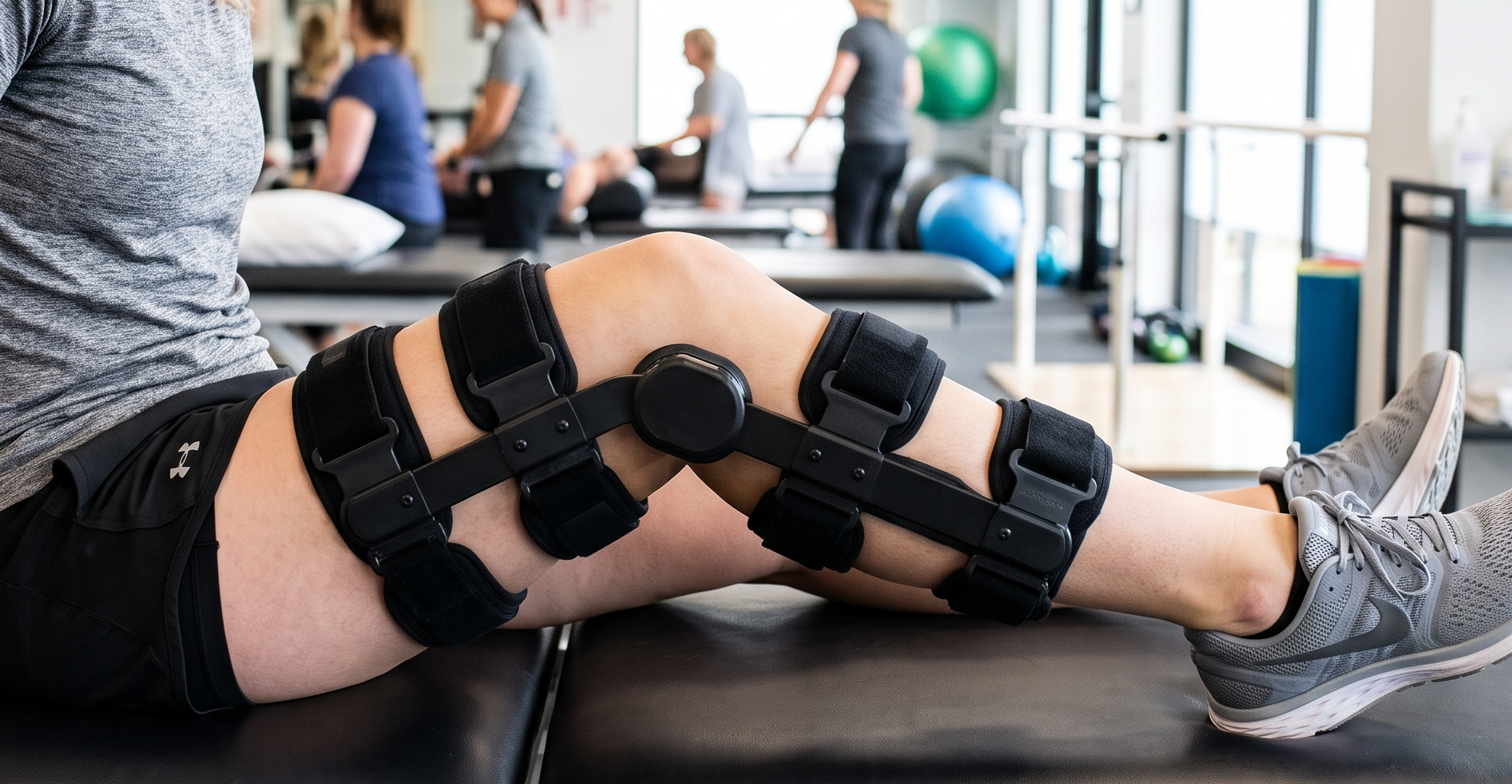
The High Stakes of Support
In the clinical world, an orthopedic brace represents the ultimate form of stability, providing the mechanical support necessary for a patient to regain mobility after a traumatic ligament tear or complex surgery. In the business world of durable medical equipment, however, bracing is notoriously one of the highest fraud categories in healthcare, a reputation that has invited unprecedented scrutiny from federal regulators.
To put the scale of the industry into perspective, the Oz administration recently noted that there are currently more DME providers in the state of Florida than there are McDonald’s locations. This density of providers, combined with historically lax documentation requirements for items like knee braces, has created a perfect storm of multi-million dollar clawbacks and aggressive enforcement. While a brace provides physical security to the patient, the billing process often leaves providers exposed to massive retroactive liabilities. Navigating this landscape requires a strategic, audit-proof approach to revenue cycle management.
What is Orthopedic Bracing?
The primary role of bracing is to provide stability to joints where natural support structures, ligaments (ACL/MCL) or muscles, have failed. From a medical terminology standpoint, "osteo" refers to bone. In cases of osteoarthritis, a patient is essentially suffering from bone-on-bone contact due to the loss of protective cushioning. Bracing substitutes for these missing structures to facilitate an ambulatory status, which is medical shorthand for the patient’s ability to walk and remain mobile.
The Coverage Spectrum
Reimbursement is categorized into three distinct tiers, often distinguished by separate HCPCS codes and varying levels of required documentation:
- Off-the-shelf (OTS): Standardized braces requiring minimal adjustment.
- Custom Fit: These are OTS braces that a certified fitter must significantly modify by bending, trimming, or molding to accommodate the patient.
- Custom Fabricated: The Cadillac of orthopedic support. These are measured and manufactured from scratch to a patient’s exact physical dimensions. This is typically reserved for those with limb deformities or unique sizing needs.
Key Indicators: The Laxity Requirement
The baseline for coverage is joint laxity, or the physical looseness of the joint. For a claim to be valid, this must be proven through an objective assessment: a physical, hands-on manipulation of the joint by a clinician. A subjective assessment, where a patient simply complains of pain, is insufficient for payers like Medicare.
The Billing Complexity
The bracing market is currently a minefield because of a shift in how the government handles oversight.
The Retroactive Audit Trap
The most dangerous element of DME billing is the Medicare "pay-now-audit-later" model. Medicare will typically pay these claims immediately, but will audit the DME provider 18 months later, creating a dangerous false sense of security.
During these audits, providers are forced to manually pull hundreds of files to prove they secured all the correct criteria upfront. Audits typically arrive 18 months after billing has commenced, creating a window during which documentation must support the equipment dispensed. By the time an audit occurs, an entire year and a half of claims have already been submitted.
Many DMEs mistakenly believe that receiving payment signals compliance and safety. What they're actually doing is accumulating an 18-month liability exposure, one that a single audit can unravel entirely. If providers cannot produce the exact documentation, they face millions of dollars in clawbacks.
The Osteoarthritis (OA) Documentation Trap
After a 20-year fight, clinicians recently secured Medicare coverage for OA bracing. However, this win came with strict traps. To successfully bill for OA, the medical record must contain X-ray evidence of the condition within the joint compartments and explicitly state the patient is ambulatory. If a patient is in a wheelchair, the brace is instantly deemed medically unnecessary and the claim will be denied.
The Custom Fabrication Justification
Because custom fabricated braces command higher reimbursement, they are prime targets for down-coding. To bill these successfully, the provider must document exactly why an off-the-shelf brace would not work, citing specific clinical justifications, such as a unique limb deformity or physical dimensions that cannot be accommodated by standard sizing.
Objective vs. Subjective Pseudolaxity
Many claims fail due to pseudolaxity, which is a false positive of joint looseness. If a clinician's notes rely on the patient’s subjective complaints rather than documented physical tests, the claim is highly susceptible to a clawback. Payers are looking for the hands-on evidence of ligament failure, not just a patient’s report of instability.
How Claims Manager Helps
Orthopedic bracing compliance is a minefield of payer-specific rules. Beyond basic documentation, providers must track the same or similar restriction, one of Medicare's most punishing denial triggers.
Notable Systems' Claims Manager eliminates guesswork by acting as an intelligent compliance layer. Powered by AI trained by our internal billing experts, it verifies knee orthoses orders across 45+ unique HCPCS codes, evaluating each against payer-specific coverage criteria before submission.
For high-volume bracing providers, this automation directly protects revenue, but the real payoff emerges during audits. When Medicare requests hundreds of files months later, Claims Manager has your back. It turns days of stressful audit prep into instantly accessible, fully validated records so you never face a multimillion-dollar clawback.
Ready to eliminate compliance friction? Book a demo