

How GLP-1 Medications Are Reshaping DME Demand
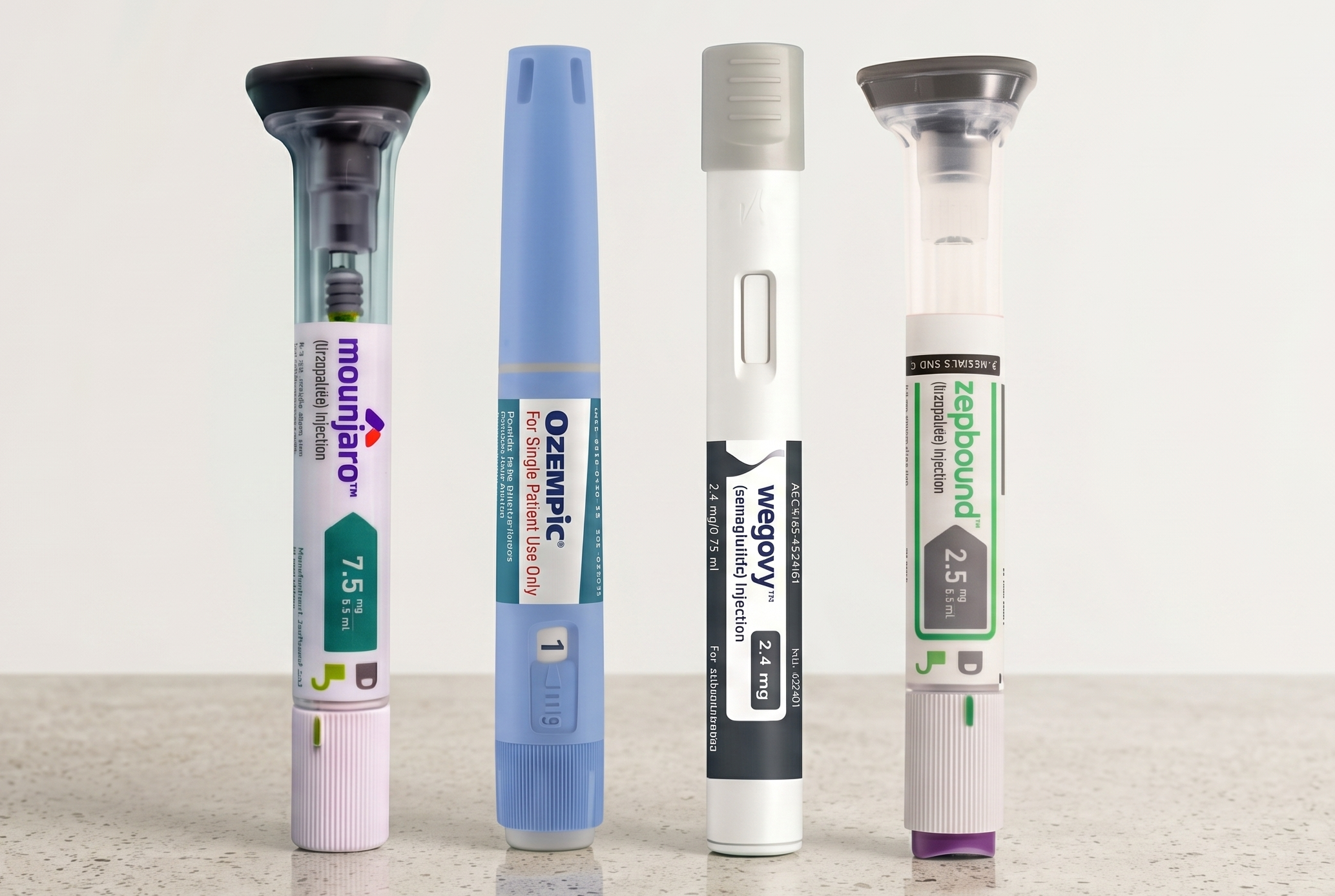
As GLP-1 medications gain ground in obesity and diabetes management, DME industry leaders have raised a pivotal question: Will a world with fewer obesity-related complications reduce demand for durable medical equipment? The short answer based on current market data is no. But the nuanced answer matters far more for DME operators preparing for change in patient workflows and device fitting.
The Market Disruption Theory vs. Reality
Concerns about DME industry disruption have been reasonable on the surface. GLP-1s deliver dramatic weight loss outcomes: recent trials show up to 25% body weight reduction in combination with intensive lifestyle intervention. Logic suggests that fewer patients with obesity-related complications would mean fewer equipment needed.
But IQVIA's analysis of market data tells a different story. Obesity diagnoses have remained stable during the surge in GLP-1 adoption. Device use within the GLP-1-using population declined only slightly, translating to an overall impact on device use of less than 1%.
High-volume operators won't see a cliff drop in total demand, but this doesn't mean nothing is changing.
The New Challenge Presenting
The practical reality operators face is granular and operational. Many devices are engineered to fit a patient's specific body size and weight. When a patient on GLP-1 therapy loses 10, 15, or 20% of their body weight, that equipment may no longer fit correctly. And unlike a one-time diagnosis, weight loss often occurs in stages over months, triggering multiple rounds of adjustments or replacements.
Consider the impact across product categories and crucially, the competing dynamics that could push demand up or down:
Continuous Glucose Monitors (CGMs): GLP-1 medications may actually drive greater use of CGMs. As obesity treatment expands the population diagnosed with type 2 diabetes, and as more people use CGMs for metabolic tracking, this device category could see sustained or growing demand.
Orthopedic Bracing: This is where competing GLP-1 dynamics collide most directly. On one side, an estimated 30% of total knee arthroplasty (TKA) candidates are currently ruled out because their BMI exceeds approximately 35. GLP-1s remove that barrier, creating a larger funnel of newly eligible surgical candidates. In a broader lens, more surgeries mean more post-operative bracing and support. On the other hand, weight loss from GLP-1s reduces wear and tear on joints and other areas of the body. Patients who would have developed damage from obesity may never need surgery in the first place with GLP-1s. The net effect depends on which dynamic dominates: whether you see more surgeries from expanded eligibility or fewer surgeries from reduced incidence. Either way, this category warrants close monitoring.
Prosthetic Limbs: Even minor changes in residual limb size affect how a prosthetic socket fits, causing discomfort and skin irritation. Significant weight loss can require socket refitting or replacement, potentially multiple times during therapy.
Braces and Compression Garments: Weight loss can make these too loose to provide proper support, requiring replacement. Conversely, patients managing weight loss may need additional supportive bracing during the weight-loss journey itself.
Mobility Aids and Wheelchairs: Weight changes affect posture, balance, and safety. Custom wheelchairs and seating systems may need adjustment or replacement. For expensive items like custom chairs, these changes represent a significant reorder opportunity.
CPAP and Sleep Apnea Devices: Unlike orthopedic devices, this category faces clearer headwinds. Obesity is the primary risk factor for obstructive sleep apnea, so weight loss from GLP-1s should reduce sleep apnea incidence directly. Type 2 diabetes and sleep apnea are also heavily correlated. More than 50% of people with Type 2 diabetes also have sleep apnea, and the relationship is bidirectional. However, Type 2 diabetes is not solely driven by obesity. While 90% of Type 2 diabetics are overweight, reducing obesity through GLP-1s may only partially reduce diabetes incidence and its associated sleep apnea burden. The net effect on CPAP demand will depend on how much weight reduction translates to both diabetes reduction and OSA incidence reduction.
The Operational Readiness Shift
From a DME provider's standpoint, GLP-1 adoption introduces workflow complexity:
- Patient Communication: Patients losing weight may not realize that devices need refitting. Providers managing high-volume patient bases should consider how to flag weight-loss patients for proactive fit checks and education about device adjustments.
- Reorder Timing: Weight loss often happens in phases. A patient may need one refitting at 10% weight loss and another at 20%. Building workflows that anticipate these touchpoints reduces friction.
- Inventory and Cost Planning: Frequent refitting cycles for custom equipment increase inventory requirements and cost management complexity. High-volume operators need clear protocols for when to refit vs. replace, factoring in patient outcomes and margin.
- Payer Approval Pathways: Payers may question whether a second device refitting is medically necessary when the first is still functional. Operators should develop clear medical documentation and justification frameworks to support reordering decisions.
Where This Lands for Your Business
GLP-1 adoption doesn’t threaten the overall DME market, but it does introduce different complexities. Opportunities exist for providers who build workflows around:
- Identifying GLP-1-using patients early in their treatment journey
- Automating fit-check reminders and reorder triggers based on weight-loss milestones
- Building clinical documentation standards that justify device adjustments to payers
- Managing inventory and cost variance from increased reordering cycles
Overall, GLP-1s aren't a demand threat, but they will create a new operational landscape that DME providers haven't had to manage at this scale previously.